

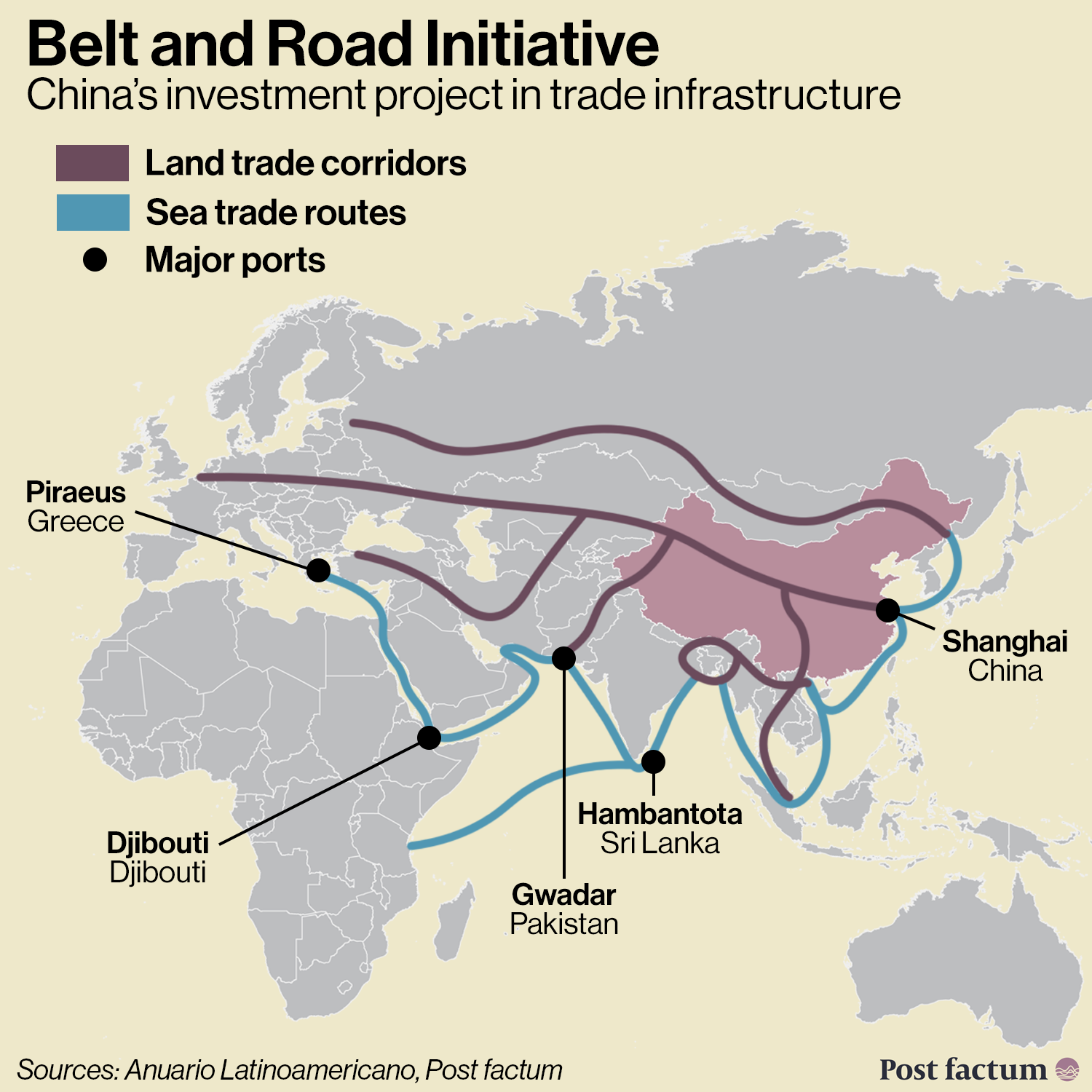


The Belt and Road Initiative is a plan to connect Asia, Africa and Europe through trade, roads, rail and ports. For Pakistan, it is an opportunity that arrived at the right time.
China announced the idea in 2013, and Pakistan was among its earliest and strongest supporters. Two years later, the two countries launched CPEC, the flagship project of the whole initiative.
What Pakistan gained
- Energy. New power plants helped reduce the severe load shedding that once crippled industry and daily life.
- Roads. Highways and links such as the Karakoram Highway and motorway sections improved travel and trade.
- Ports. Gwadar opened a new commercial gateway on the Arabian Sea.
- Jobs and skills. Thousands of Pakistanis worked on projects and trained with modern equipment.
Why Pakistan matters to the plan
Geography is Pakistan’s strength. It connects China to the Arabian Sea, South Asia to Central Asia and the Gulf to the Himalayas. That makes Pakistan not just a participant but a hub.
Where it goes next
The next phase focuses on industry, agriculture, technology and special economic zones, so that Pakistan not only hosts trade but produces and exports more.
The takeaway
BRI gives Pakistan a chance to turn its location into lasting economic strength. The task now is to deliver projects on time and make sure ordinary Pakistanis feel the gains.